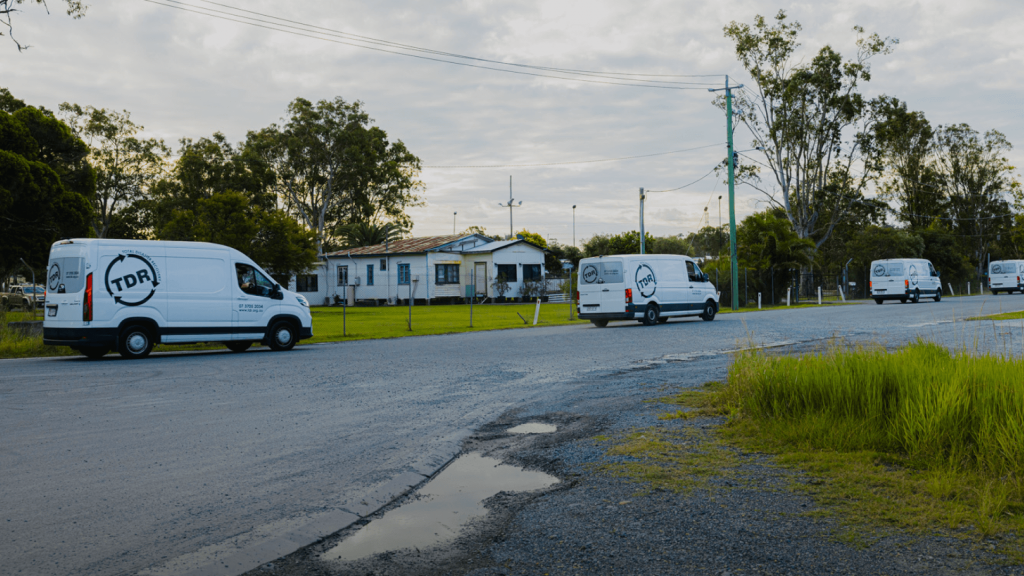
Identifying the top-rated mould restoration companies in Australia requires looking past surface-level cleaning and towards the underlying science of remediation. For insurers and loss adjusters, mould is rarely a simple contents issue; it is a liability that compounds quietly if the wrong provider is engaged. Total Disaster Recovery (TDR) positions itself among the leading mould restoration companies by treating every claim as a technical remediation project rather than a cosmetic fix, with works carried out in line with the AS-IICRC S520 standard.
Reframing mould as a liability, not a clean
For many in the industry, mould is still viewed as a straightforward surface cleaning task. This assumption is exactly where risk enters the claim. Left unaddressed, mould that is not correctly identified and treated can spread through wall cavities and subfloor spaces, leading to further property damage and potential health issues over time.
For insurers, this indicates a long-term liability rather than a one-off expense. Remediation that isn’t backed by a professional mould assessment can pass a visual check while leaving the underlying moisture source untouched. The result is disputed reinstatement costs and reputational risk for the broker who recommended the provider in the first place that cascade into project delay.
The role of professional mould assessment
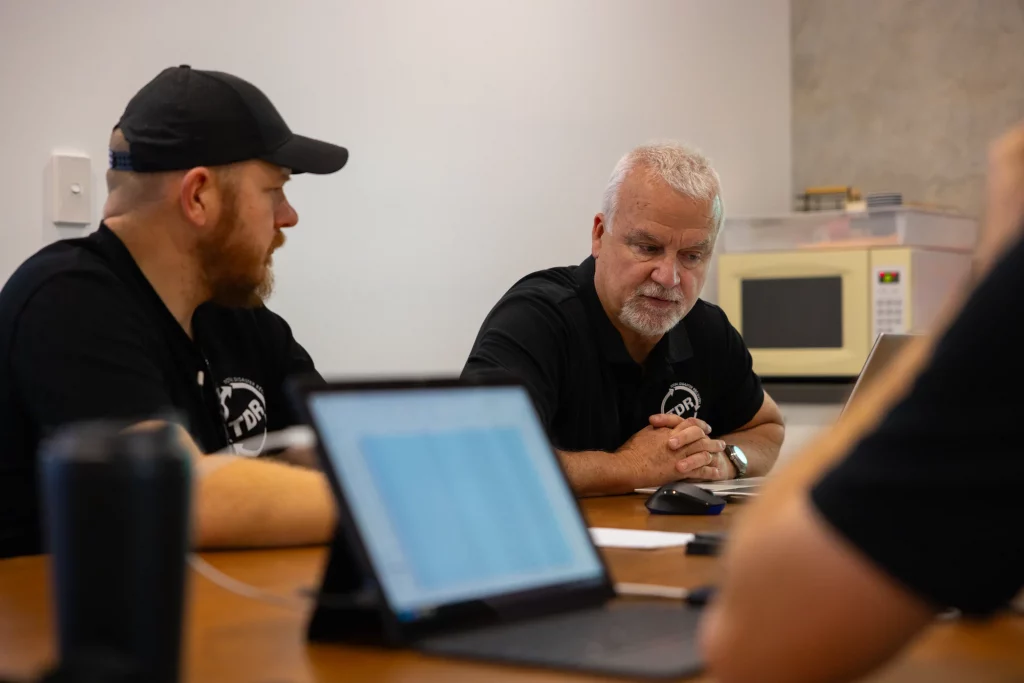
Effective remediation begins before any physical work takes place. TDR’s process opens with consultation, inspection and reporting, where our team completes a risk assessment to confirm site safety, inspects the damage and confirms what’s required with a detailed scope of works.
This professional mould assessment stage identifies the moisture source and sets the benchmark for what a compliant remediation outcome looks like, converting a subjective judgement call “is the property clean?”, into a documented scope that supports the claim file from day one.
TDR’s structured remediation process
Consistency is what separates a specialist from a generalist in this category. TDR applies the same structured process to every claim:
- Consult, inspect and report – a detailed site assessment establishes the extent of contamination and the scope of works.
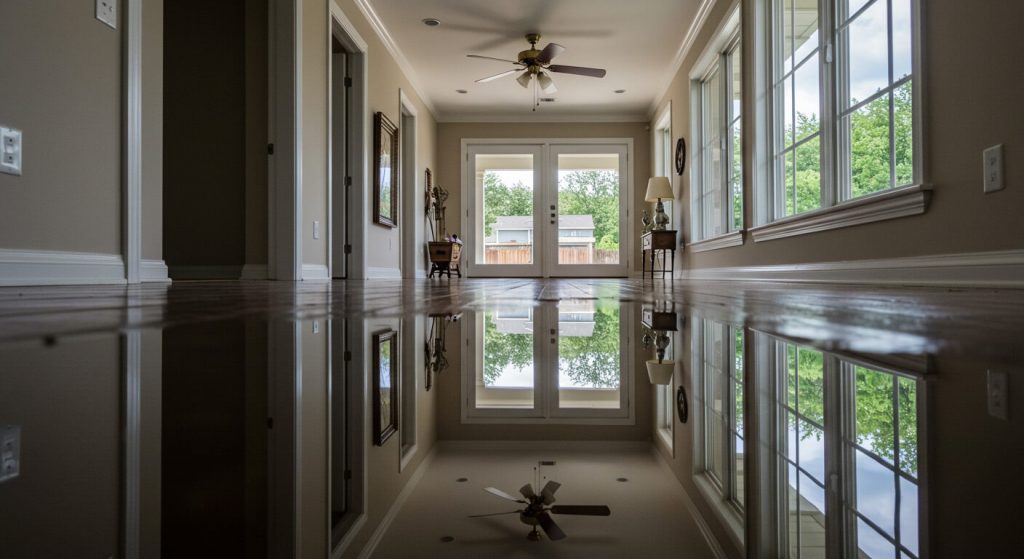
- Address immediate issues – moisture extraction and mitigation begin without delay to stop further contamination.
- Inventory and remediate contents – affected contents are assessed, restored where possible, and non-salvageable items inventoried.
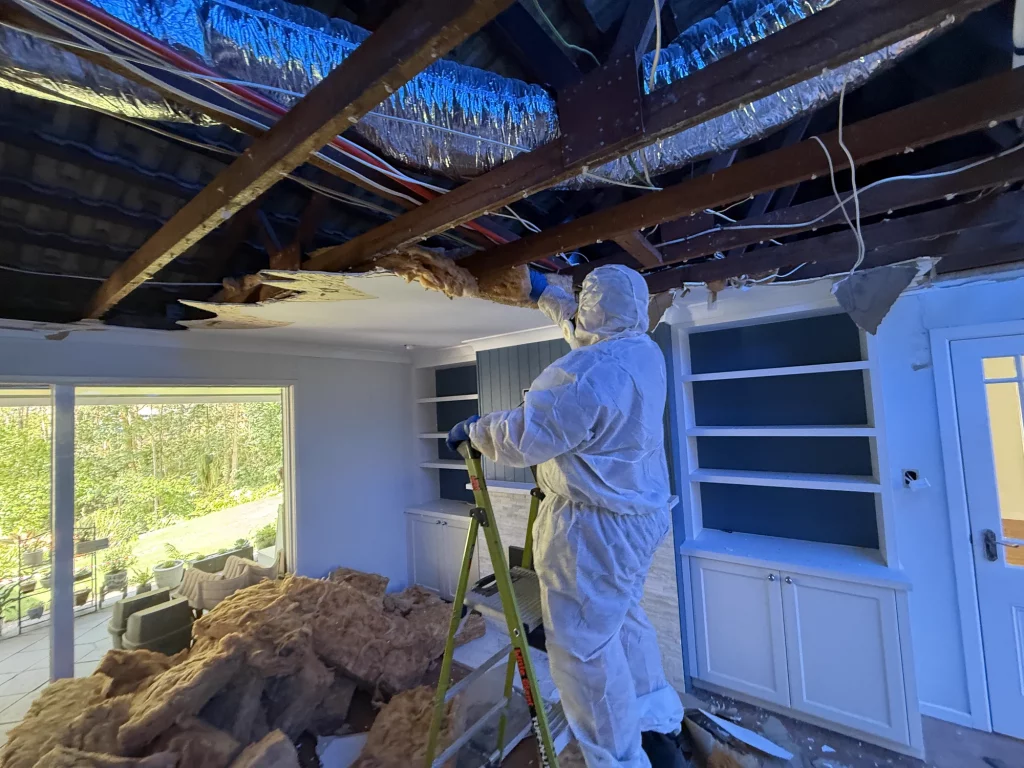
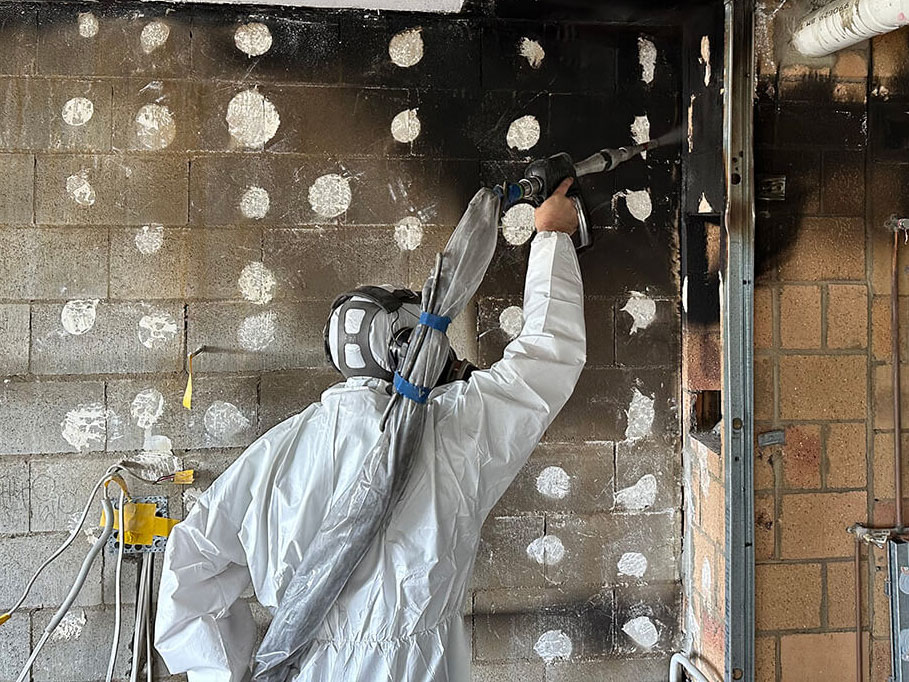
- Undertake structural restoration – structural drying, subfloor remediation and contaminant removal address the source, not just the surface.
- Perform a final inspection – TDR utilises independent third parties for verification of works where necessary, confirming the space is genuinely ready for handover.
This structure exists to prevent exactly the outcome insurers are trying to avoid: work that looks finished but is not.
Secondary loss prevention and the builder handover
One of the most overlooked risks in a mould claim is what happens after remediation is complete but before reinstatement begins. Without proper secondary loss prevention, residual moisture or an incomplete scope can allow contamination to return during the rebuild phase, undoing the remediation work and delaying the builder’s program.
TDR’s use of independent third-party assessments at the final inspection stage is what protects secondary loss prevention across the full lifecycle of the claim, from the original loss through to final handover, giving builders confidence before they step back onto the property.
Evidence-based reporting for insurance builders
For insurance builders and brokers, the value of working with mould restoration companies like TDR sits in the paper trail as much as the physical work. Every stage, from initial assessment through to structural restoration and final inspection, is documented, giving builders a defensible record to rely on if reinstatement work is later questioned.
This evidence-based approach, backed by IICRC certification and adherence to the AS-IICRC S520 standard, is what allows TDR to be positioned with confidence among the top-rated mould restoration companies in Australia, not on reputation alone, but on a repeatable, verifiable process that reduces risk for every party in the claim.
Talk to TDR about complex mould claims
Mould claims carry risk long after the initial job is signed off. Partnering with a provider that builds professional mould assessment and secondary loss prevention into every stage of the process is what protects insurers, brokers, builders and property owners from costly rework down the line. Contact TDR to talk through complex mould claims today.